
Reproductive Medicine
Reproductive medicine is a specialized branch of medicine focusing on fertility, infertility, and overall reproductive health, covering issues from puberty to menopause, contraception, and sexual dysfunction, using advanced techniques like IVF, genetic testing, and hormonal treatments to help people conceive or manage reproductive conditions. It involves understanding the biology of reproduction to diagnose and treat problems with conception, pregnancy, and hormonal balance, often overlapping with endocrinology, gynecology, and urology.
Key Areas & Treatments:
Infertility Treatment: Diagnosing causes of infertility and offering solutions.
Assisted Reproductive Technologies (ART): Procedures like In Vitro Fertilization (IVF), Intracytoplasmic Sperm Injection (ICSI), and Intrauterine Insemination (IUI).
Fertility Preservation: Egg freezing and sperm banking to preserve fertility.
Hormonal Therapies: Medications to regulate ovulation or address hormone imbalances (like PCOS).
Genetic Counseling & Testing: Preimplantation genetic testing to screen embryos for abnormalities.
Reproductive Endocrinology: Managing conditions affecting hormones, menstruation, and ovulation.
Family Planning: Contraception and sexual health education.
Puberty & Menopause: Addressing hormonal changes and related issues.
Reproductive Disorders: Managing conditions like endometriosis or STIs.
Starting a family? You may have assumed that you would soon conceive when you stopped your contraception methods. The surprise of infertility may cause concerns and fears, this is understandable and you are not alone. Associates In Women’s Health has helped many patients navigate through their reproductive health. Our physicians and nurse practitioners have years of experience and training to guide you through your reproductive health concerns and treatments.
Do I Need to seek treatment for my reprocutive health?
14% of couples between the ages of 20 to 44 who want to have a child are infertile. For women, infertility increases with age, with about 25% of women over 35 experiencing infertility problems. You need to consult a provider if you have had intercourse two or three times a week around the time of monthly ovulation for at least 6 months without conception. Although you still may become pregnant without medical assistance, the chances of that happening are decreasing, especially after 35.
It is helpful when couples seek help together and understand the available treatments. In 40% of cases, the male has a health concern. In another 40%, it is the female, and in 20% of cases, both partners have health concerns. Many couples have more than one cause of infertility. However, in some cases, no cause can be identified, even after extensive testing. We have the resources available to refer you to the best care in Northern California, talk to your care team today if you have concerns with infertility.
What Causes Infertility?
Several factors can contribute to infertility in both men and women. In men, common causes include issues with sperm production or function, such as low sperm count or poor sperm motility. Hormonal imbalances, certain medical conditions, and lifestyle factors can also play a role. For women, problems with ovulation are a frequent cause, often linked to hormonal imbalances. Additionally, conditions such as endometriosis and uterine fibroids can impact fertility. In some cases, a cause cannot be identified even after extensive testing. Understanding these potential causes is the first step toward effective diagnosis and treatment.
How is Infertility Diagnosed?
Male Factors
We recommend the male partner see their PCP or specialist for a semen analysis and have results available to our patient for our care team to review.
Female Factors
Initial blood work may be done to evaluate your thyroid and pituitary gland.
Ovulation predictor kits to pinpoint ovulation. The instructions are enclosed with the kit. By using the ovulation kit properly, you know when your body has its LH surge, which means that ovulation is likely to occur within the next 24 to 36 hours.
A serum progesterone test is a blood test done seven days after the LH surge. It is used to evaluate the quality of ovulation.
A Hysterosalpingogram (HSG) is an x-ray of fallopian tubes and uterus may be ordered. The test, which is conducted near the end of the menstrual cycle, provides information on the condition of the fallopian tubes and the contour of the uterus.
How Can Infertility Be Treated?
Males may have a sperm problem, such as a low sperm count, sperm with lower-than-normal sperm motility, or an unusual form of the sperm. Few treatments are available to raise the sperm count, but successful pregnancy often still can be achieved. Sperm motility may be improved with medication, surgery, or special techniques in semen preparation. Associates In Women’s Health will give you a recommendation to a fertility center for possible in vitro fertilization (IVF) and gamete intra-fallopian transfer (GIFT) procedures.
Females, on the other hand, usually suffer from one of two complications. First, abnormal ovulation may be the result of a hormonal imbalance and usually results in irregular menstrual periods. Problems with ovulation are also associated with low body weight, being overweight or drastic weight loss or gain, as well as other causes. The treatment of abnormal ovulation may be relatively simple or more involved, requiring a specialist.
The second potential problem, blocked fallopian tubes, can interfere with the egg and sperm uniting or with proper embryo development and implantation in the uterus. Tubal damage can occur following a pelvic infection resulting from an IUD or bacteria, such as chlamydia, mycoplasma, or gonorrhea. The patient may experience no symptoms of the infection and may not know about the problem until an infertility evaluation is performed. An x-ray of the tubes — called a hysterosalpingogram — and diagnostic laparoscopy may be used to detect the problem. Treatment usually requires specialized surgery.
Will my Insurance Cover Reproductive Medicine?
You will want to contact your insurance company prior to any infertility work-up to determine your coverage. Unfortunately, many insurance companies do not pay for infertility testing or treatment. Many insurance companies also may require a referral, pre-authorization, or a particular hospital and lab for testing. Please check with your insurance company so that you are aware of your coverage.
Reproductive medicine FAQs
What is In vitro fertilization (IVF)?
In vitro fertilization is a process where an egg is combined with sperm outside the body. The resulting embryo is then implanted into the uterus. In vitro fertilization is one of the top fertility treatments available today. This method has been used for years and has helped many patients successfully conceive.
What is fertility preservation?
Fertility preservation involves methods to save and protect reproductive potential. This is often considered for individuals undergoing medical treatments that may impact fertility or for those who wish to delay childbearing. Egg freezing is a method of preserving your fertility.
Can reproductive medicine help LGBTQ+ individuals and couples?
Yes, reproductive medicine offers options such as donor insemination, in vitro fertilization (IVF) with donor eggs or sperm, and gestational surrogacy to assist LGBTQ+ individuals and couples in building their families.
Can lifestyle changes improve our chances of conceiving?
Maintaining a healthy weight, eating a balanced diet, and avoiding smoking or excessive alcohol can positively impact fertility. Stress management, restful sleep, and regular exercise are also beneficial.
Associates in Women’s Health Care is excited to be your health care providers as you navigate through your journey to parenthood.
Local Fertility Centers we refer patients to after diagnosis
Open Fertility in Roseville
California IVF in Sacramento
Northern California Fertility Medical Center in Sacramento
Meet our Doctors & Nurse Practitioners
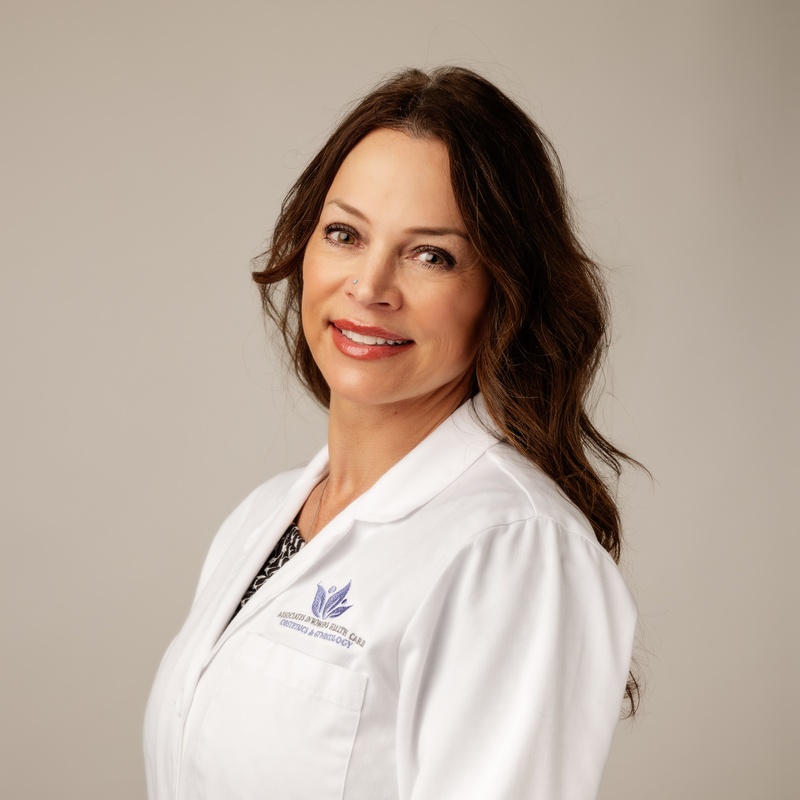
Tracy Burris,
FNP-BC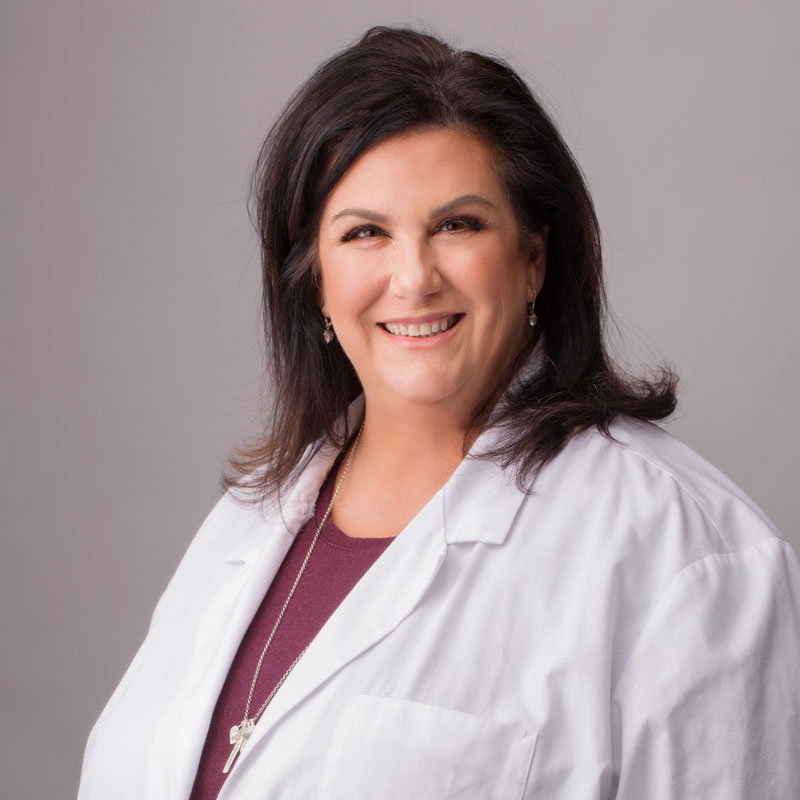
Dina M. Canavero,
MD, MPH, FACOG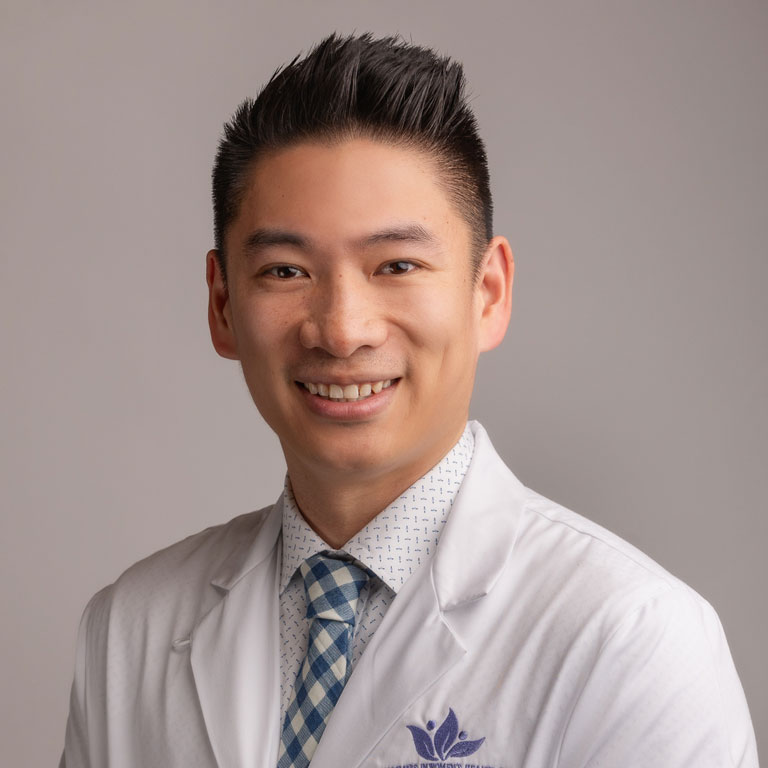
Andrew Chang,
MD, FACOG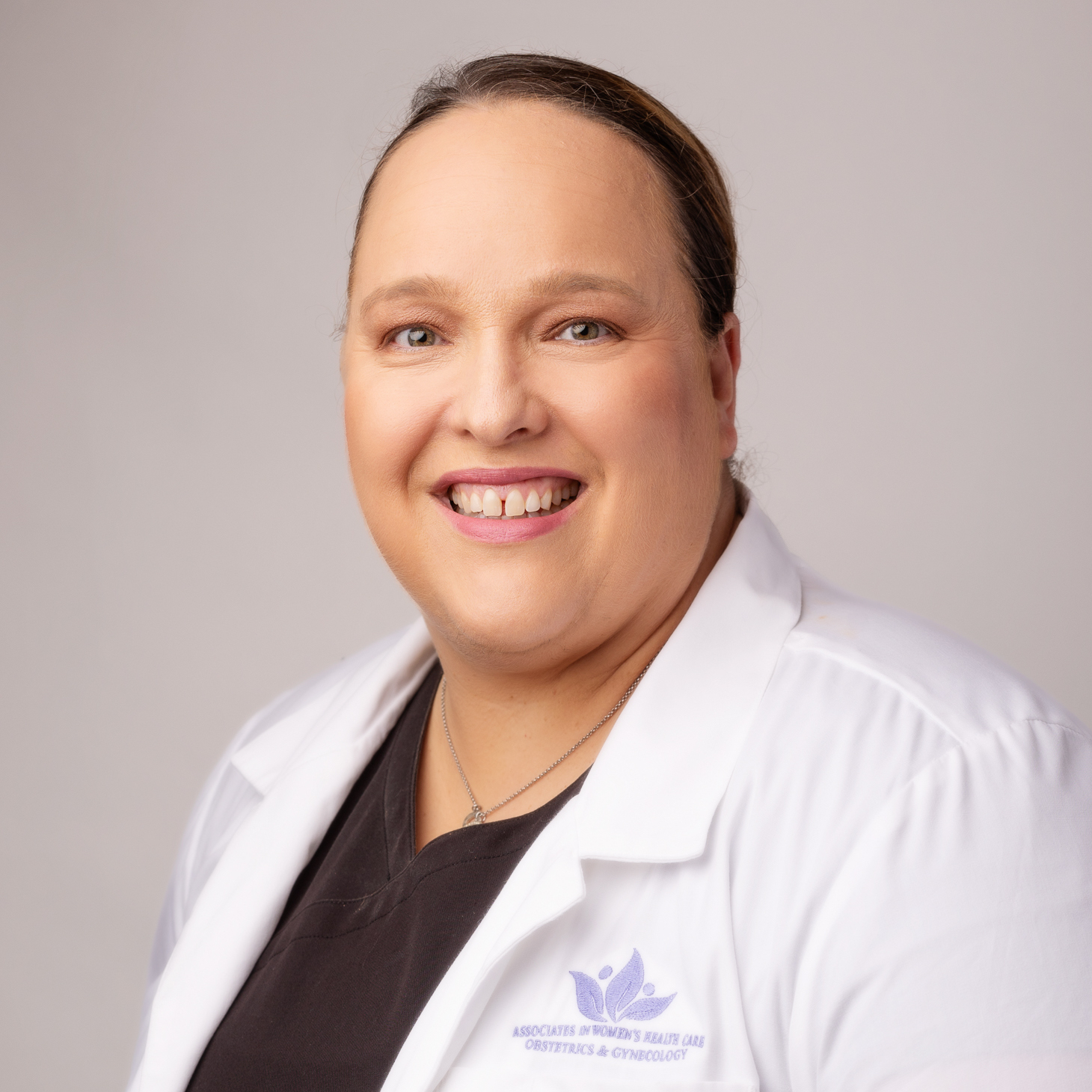
Andrea Garland,
MD, MPH, FACOG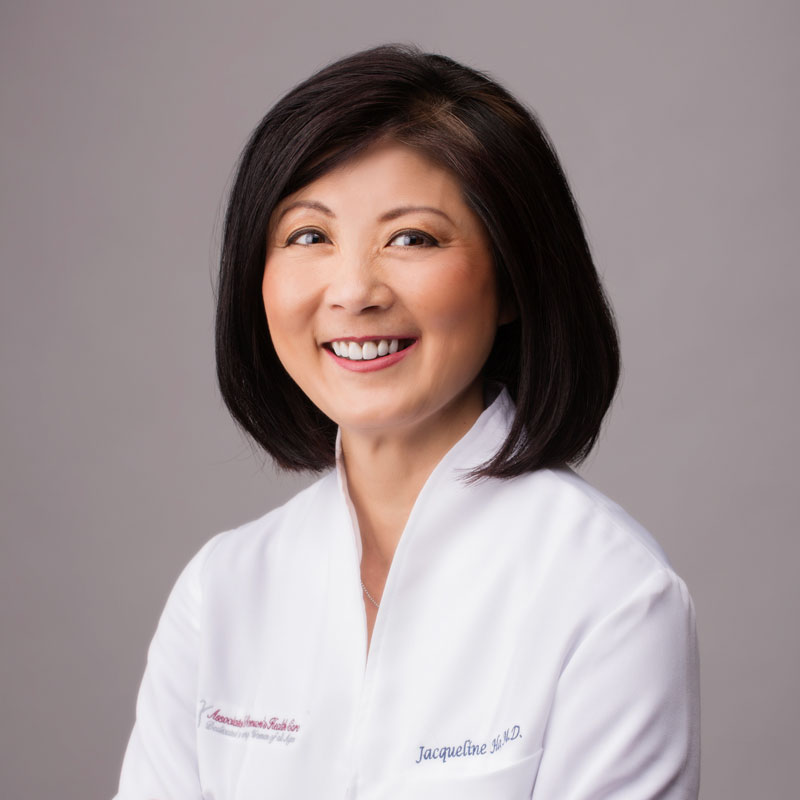
Jacqueline Ho,
MD, FACOG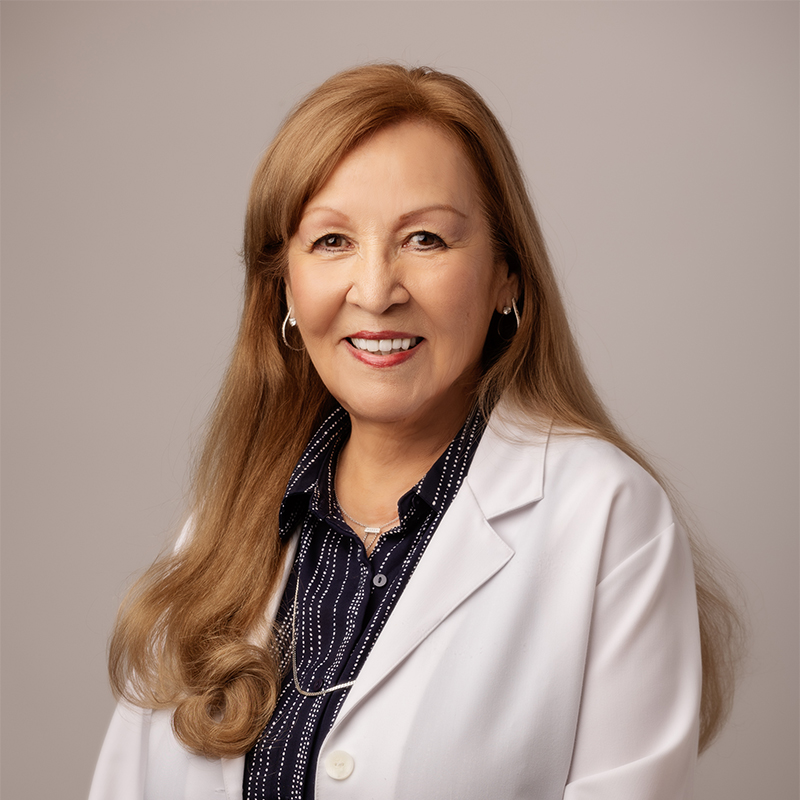
Rita Ciarrocco Kloos,
FNP-C, WHNP-BC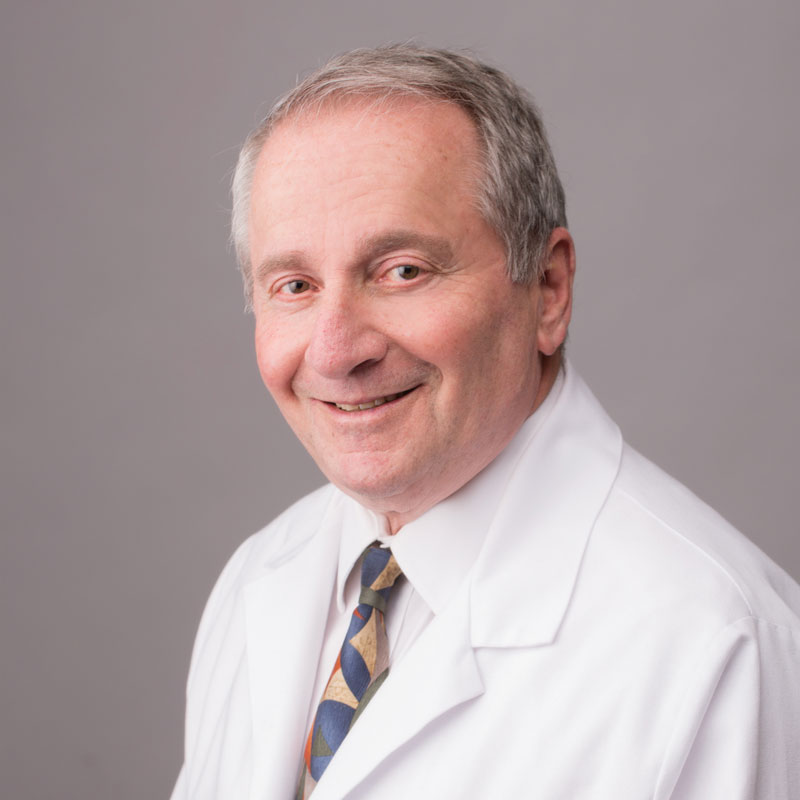
Richard J. Leach,
MD, FACOG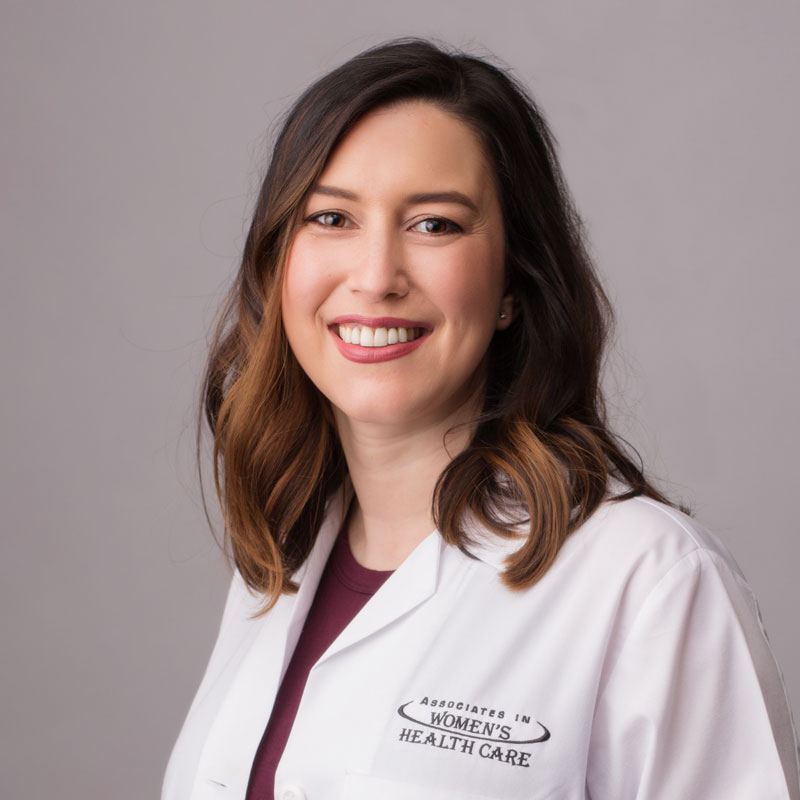
Allison Della Maggiora,
RN, MSN, FNP-C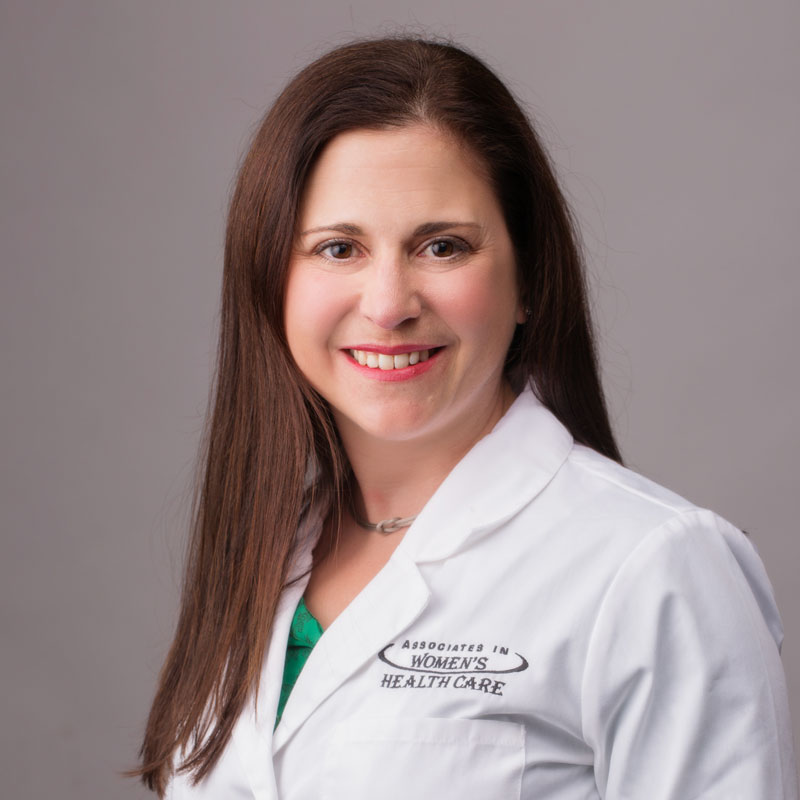
Analisa Marki,
MD, FACOG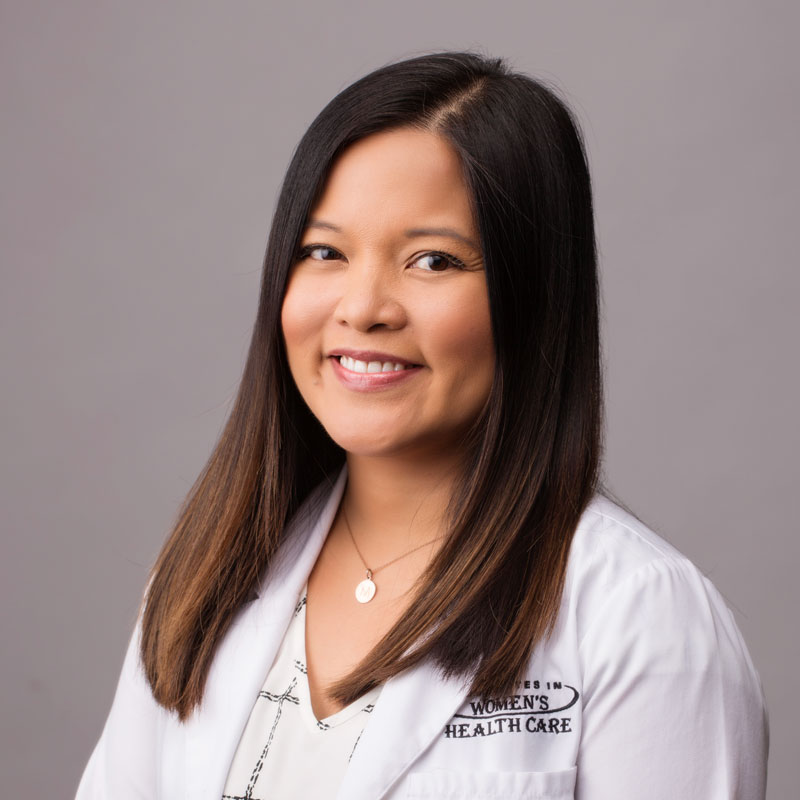
Maria Rivera,
MSN, FNP
David H. Scates,
MD, FACOG