
Caring for women's health for generations.
We are dedicated to serving women of all ages. Our goal is to provide you with the highest quality medical care available that focuses on you and is sensitive to your unique needs. We strive to educate you about your individual health care needs, and we encourage you to actively participate in your health care management.
LEARN MORE ABOUT USMeet our Doctors & Nurse Practitioners
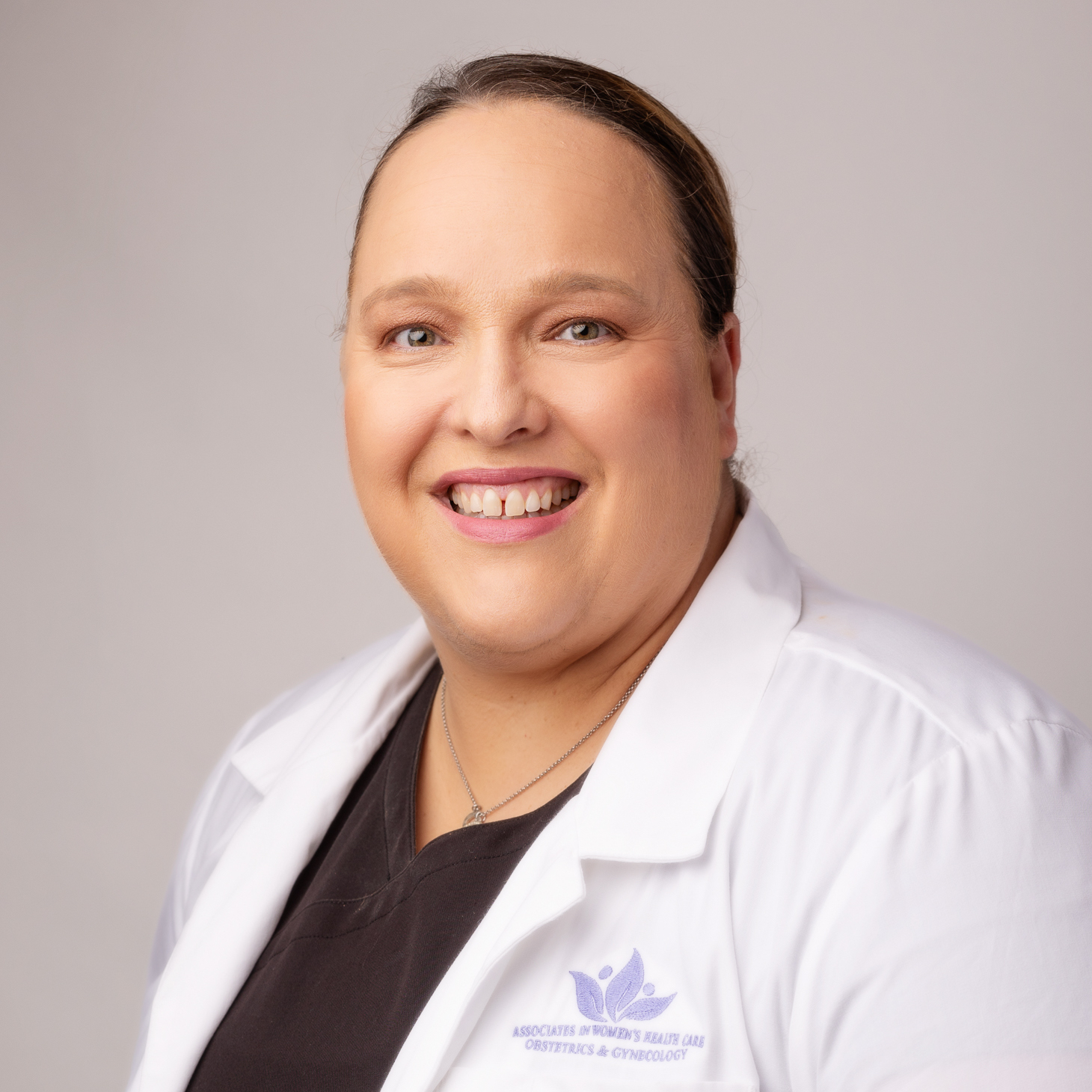
Andrea Garland,
MD, MPH, FACOG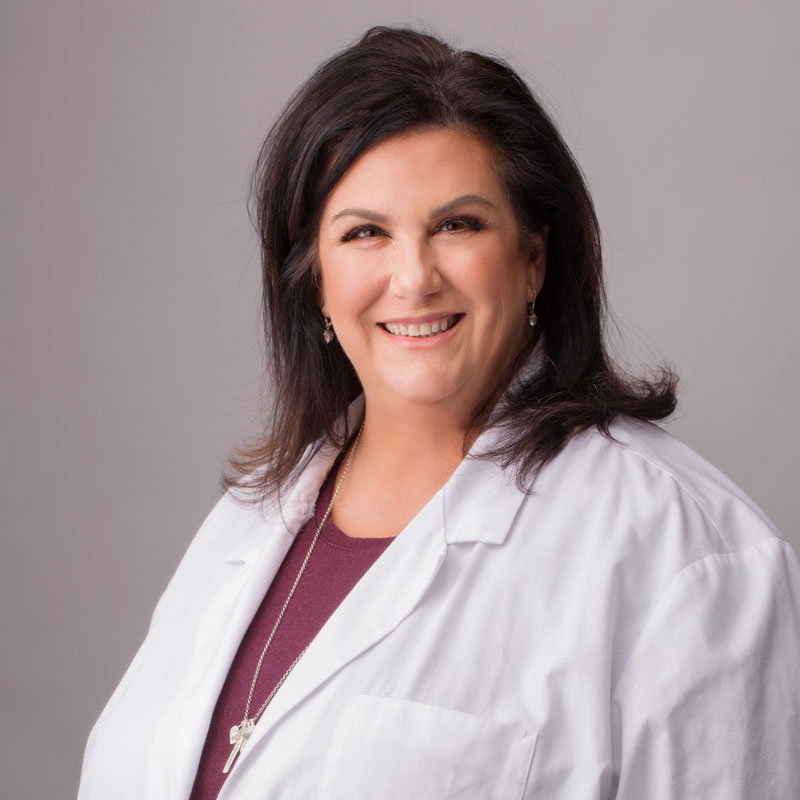
Dina M. Canavero,
MD, MPH, FACOG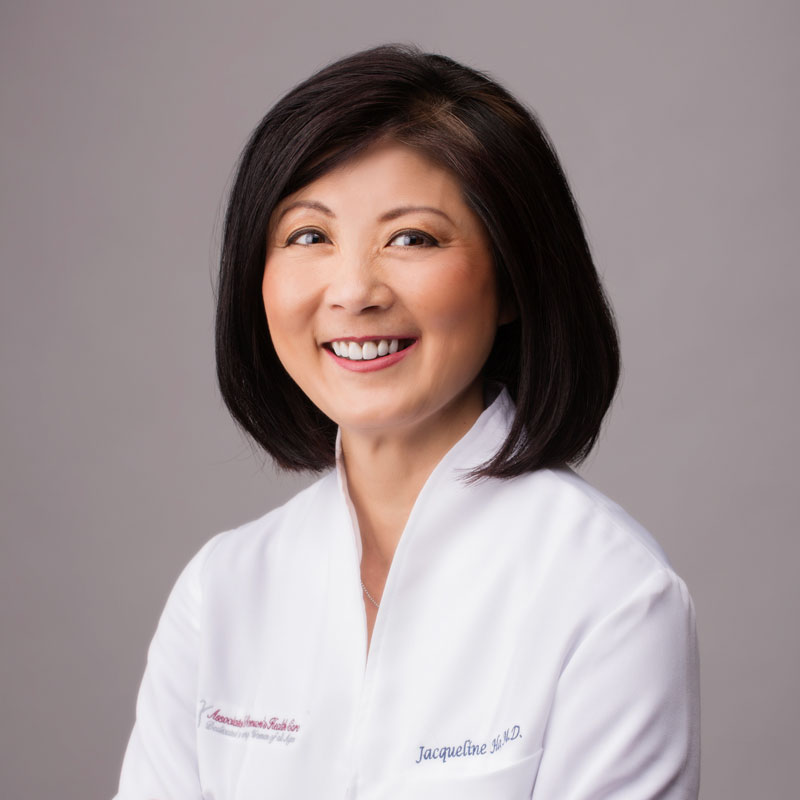
Jacqueline Ho,
MD, FACOG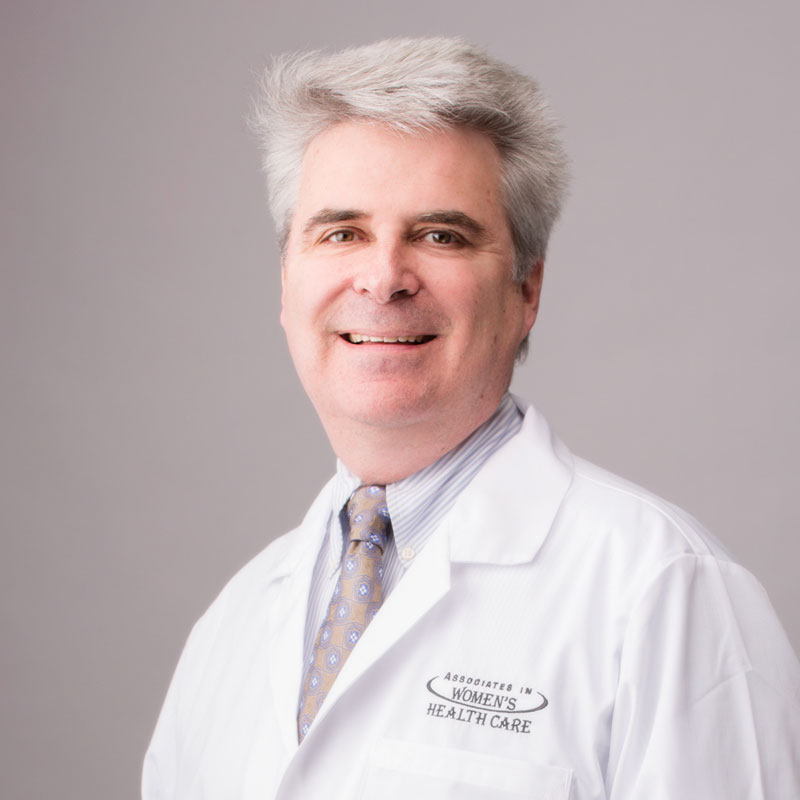
Blake R. Lambourne,
MD, FACOG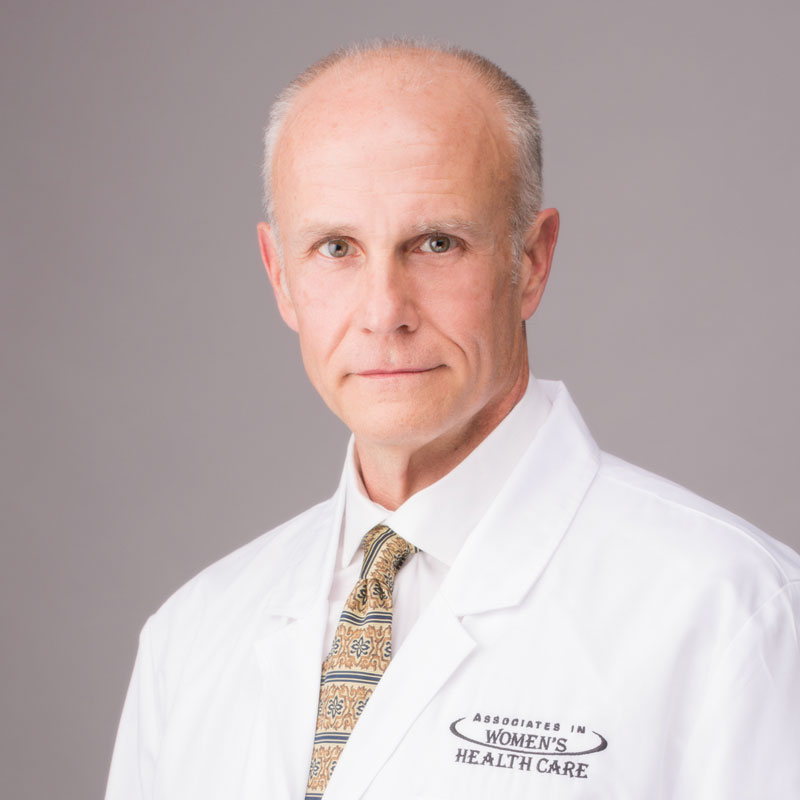
David H. Scates,
MD, FACOG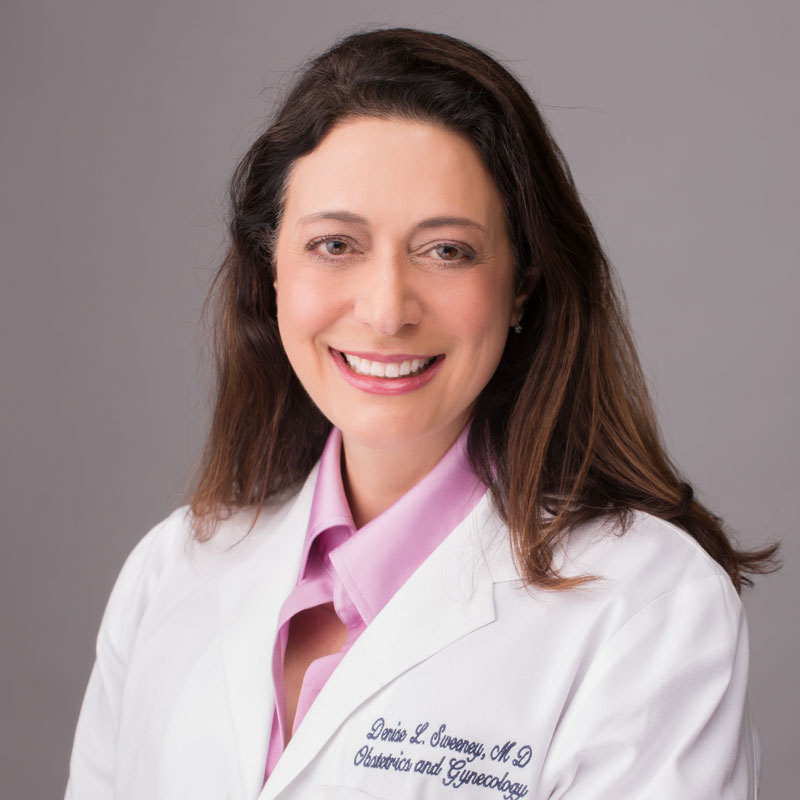
Denise L. Sweeney,
MD, FACOG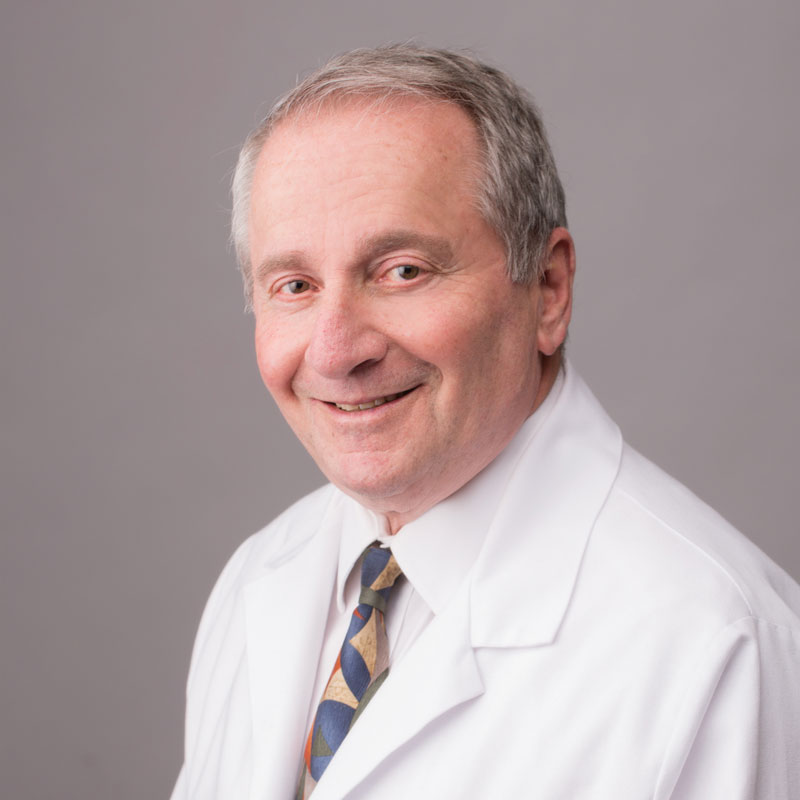
Richard J. Leach,
MD, FACOG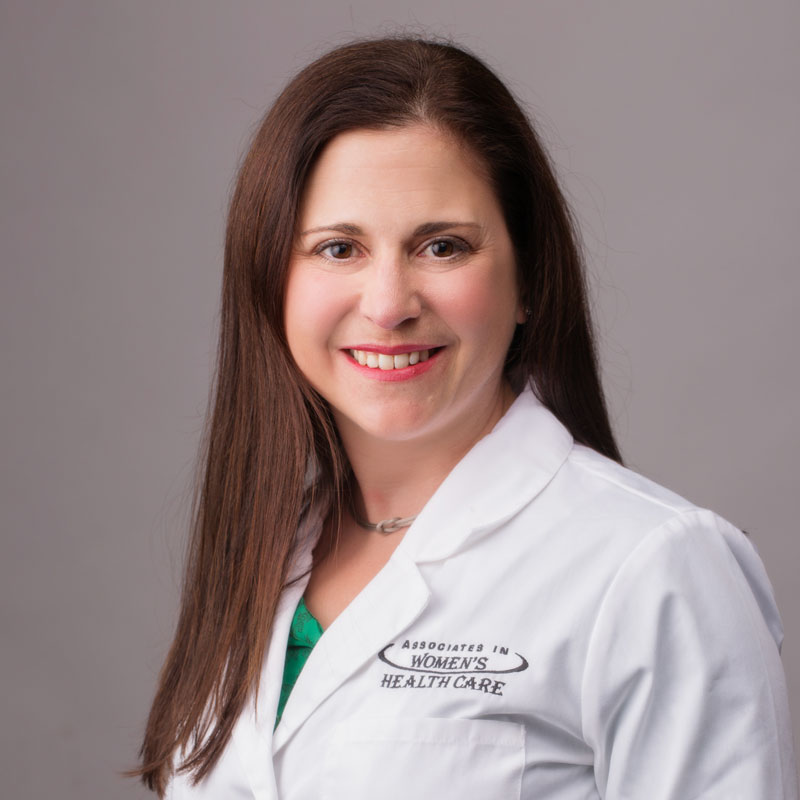
Analisa Marki,
MD, FACOG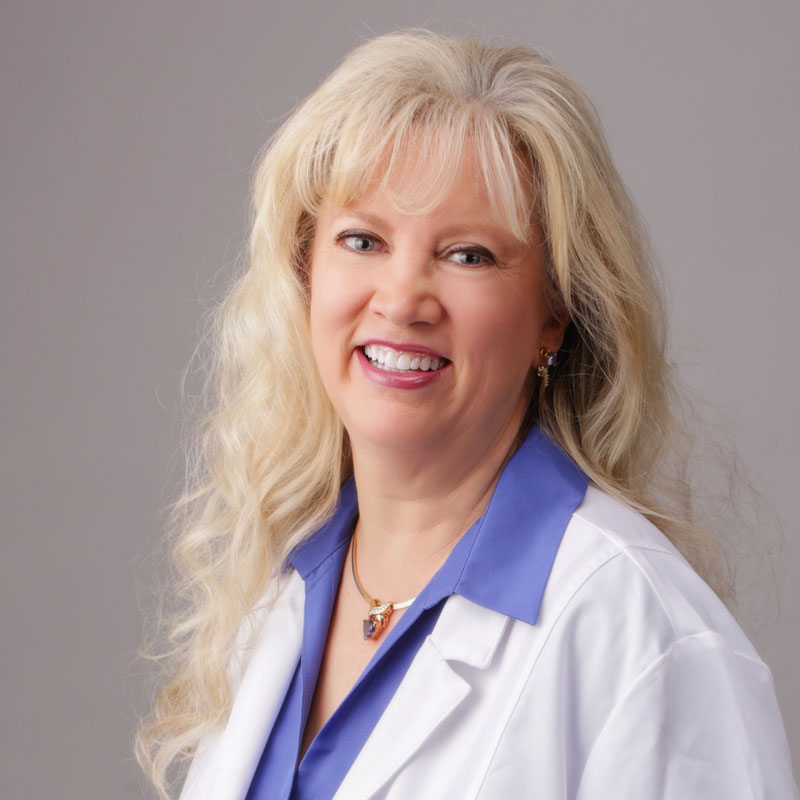
Lia Walther, NP Announces Retirement,
NP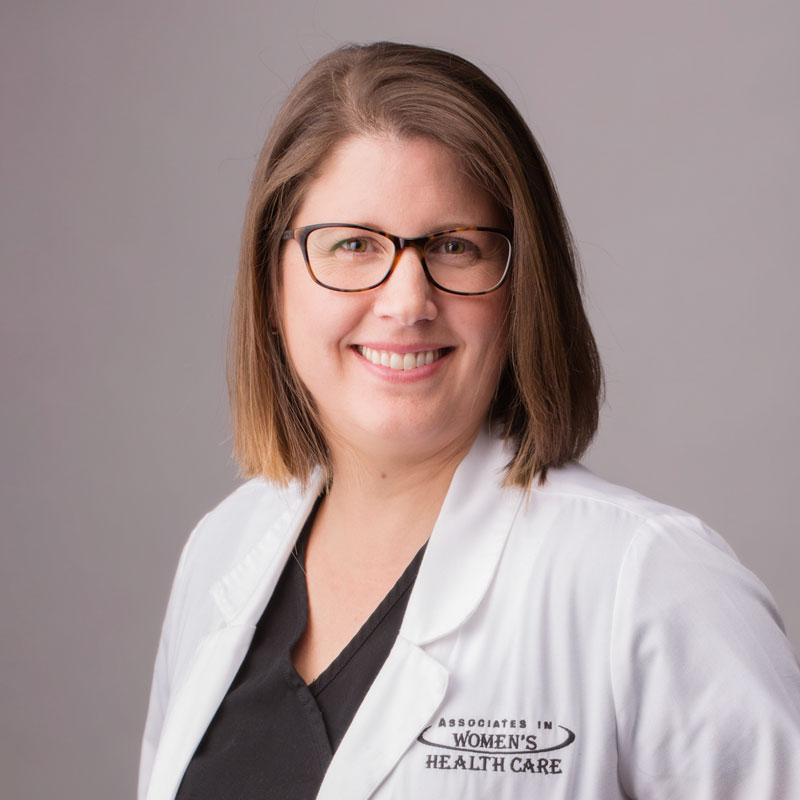
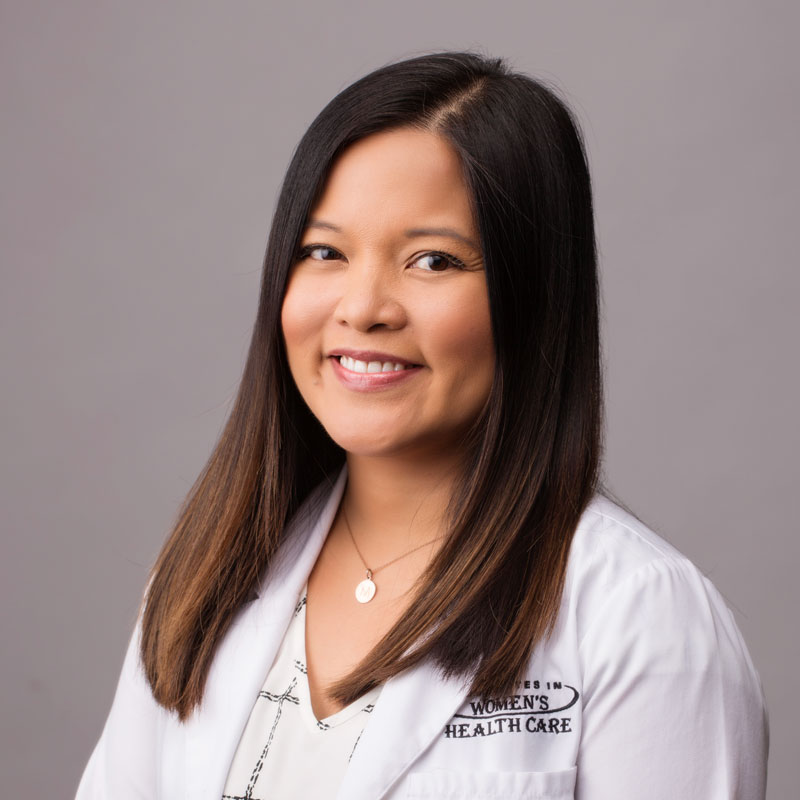
Jessica Beckmeyer, NP on a sabbatical from her NP career to raise her two boys.,
Maria Rivera,
MSN, FNP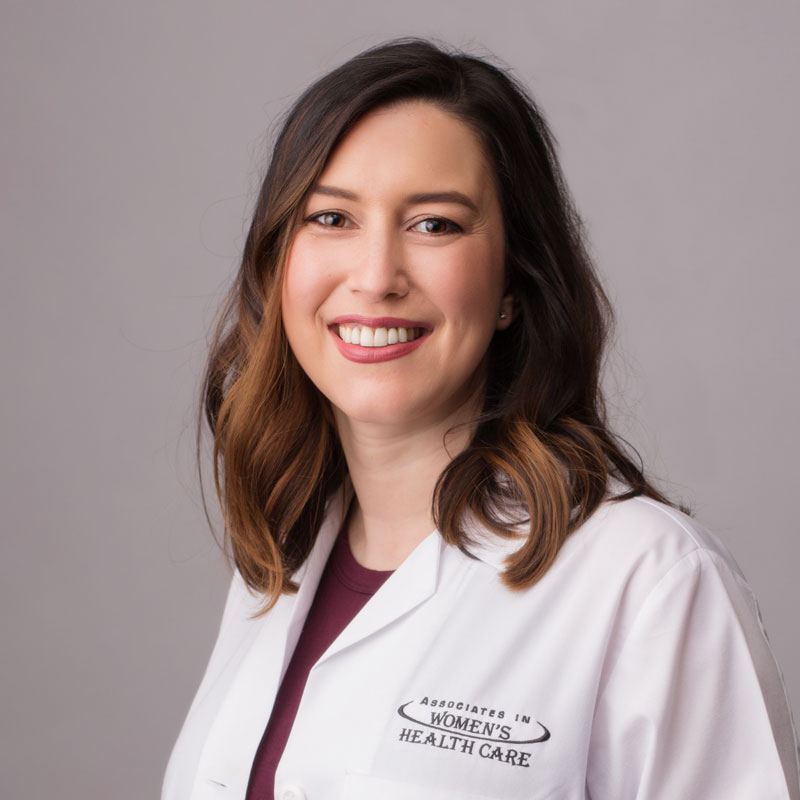
Allison Della Maggiora,
RN, MSN, FNP-C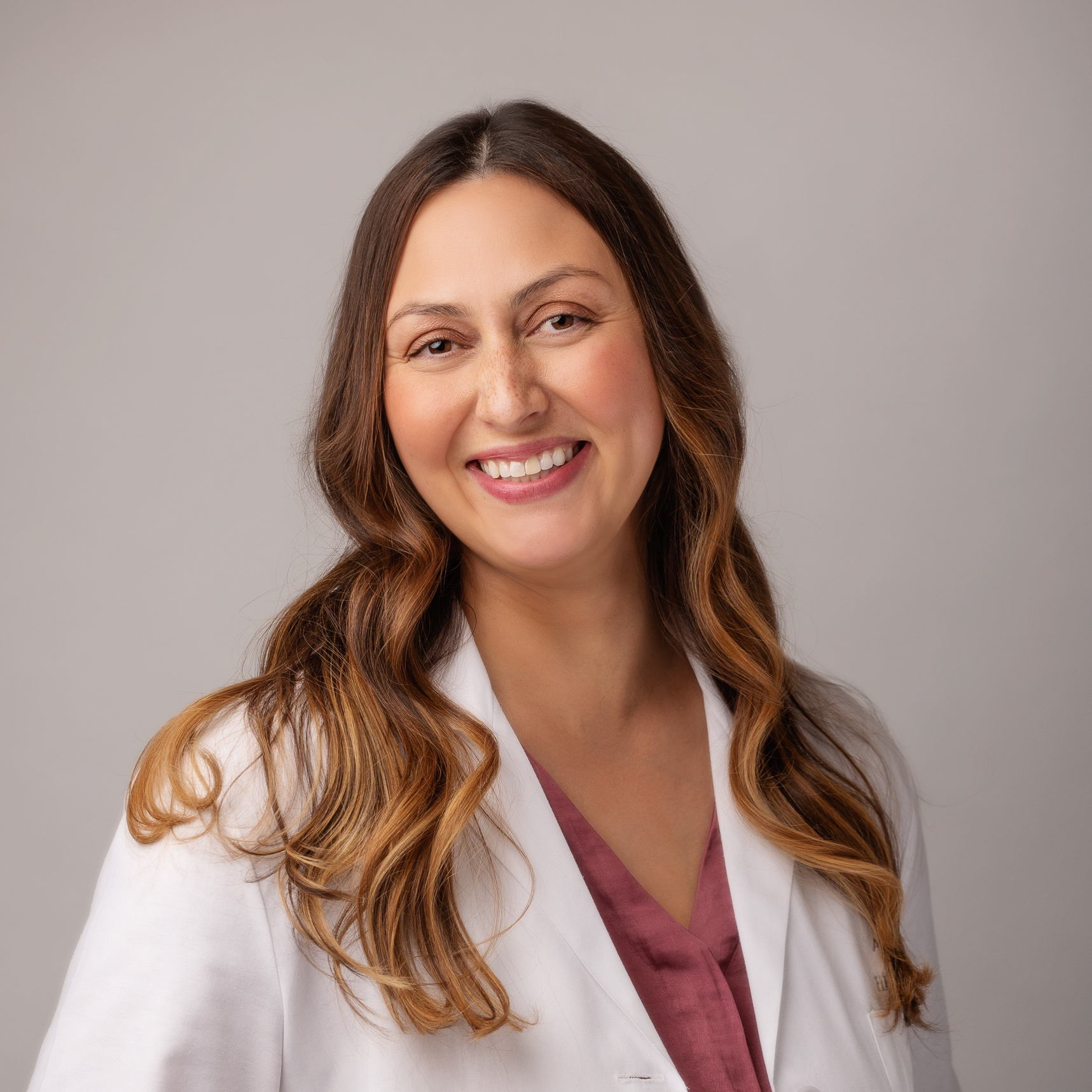
Adrienne Navarro,
WHNPYour Pregnancy & Labor
You and your health and well being are extremely important to us. We have created a comfortable and caring office so that you feel calm and relaxed as well as confident and secure with the treatment you receive from all of us. In establishing a successful and comfortable patient-physician relationship, you can expect to be treated professionally and courteously at all times.
LEARN MORE ABOUT OBSTETRIC CAREGynecology & Urogynecology Care
You and your health and well being are extremely important to us. We have created a comfortable and caring office so that you feel calm and relaxed as well as confident and secure with the treatment you receive from all of us. In establishing a successful and comfortable patient-physician relationship, you can expect to be treated professionally and courteously at all times.
LEARN MORE ABOUT GYNECOLOGY & UROGYNECOLGYPrenatal Class
We want to provide you with more information on what to expect during the last trimester of pregnancy.
LEARN MORE ABOUT PRENATAL CLASSES